Product architecture
Application, operating environment, service model, and market requirements are resolved before the product is released.
 Start a project
PRODUCT ENGINEERING
KJC develops automotive service equipment as complete products. Mechanical design, electronics, embedded control, measurement, software, verification, and production release remain part of one engineering program.
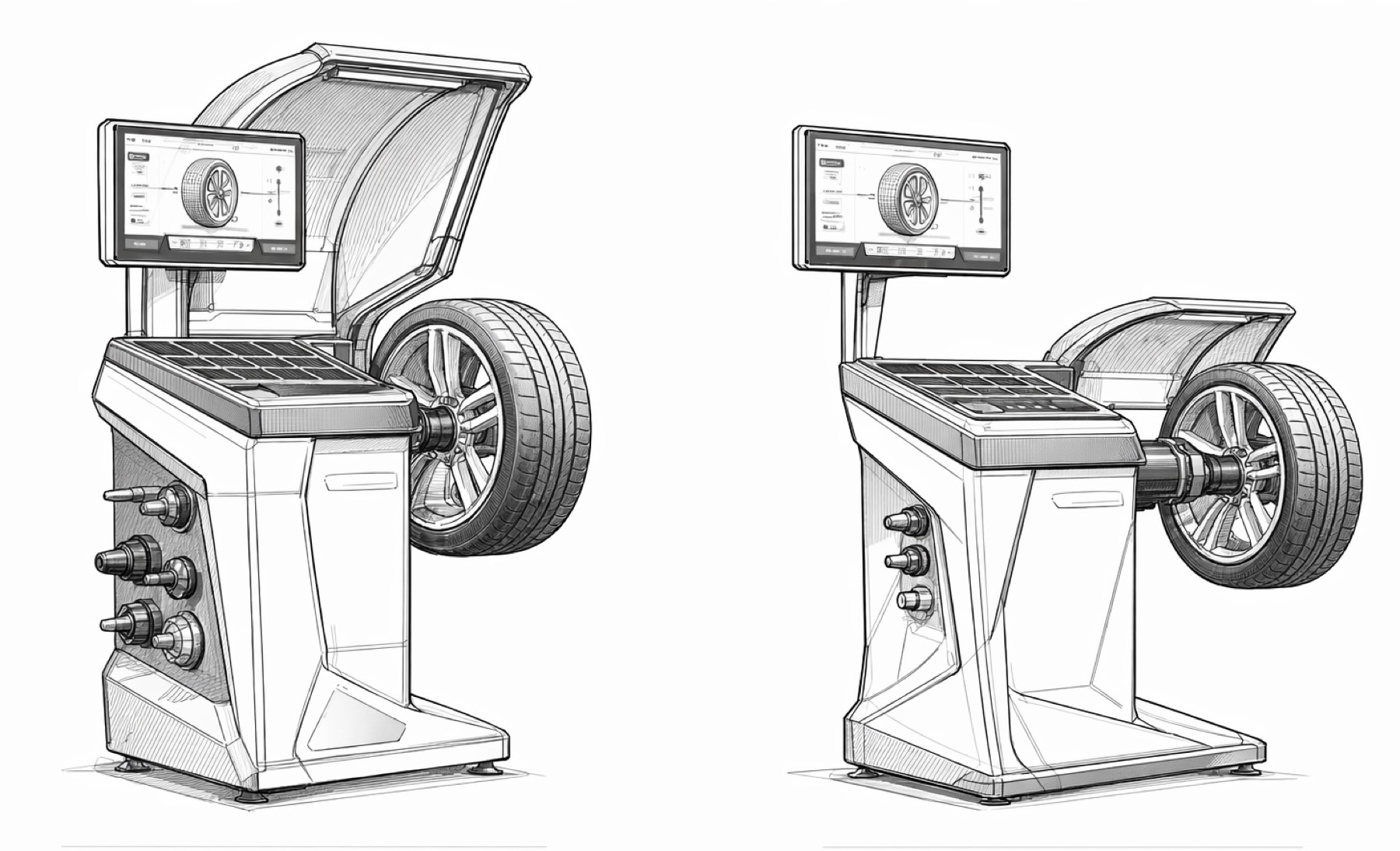
ENGINEERING DISCIPLINES
Responsibility is organized around the complete equipment system, not a collection of independently sourced features.
Application, operating environment, service model, and market requirements are resolved before the product is released.
Structures, enclosures, controls, access, and serviceable assemblies are developed for workshop use and repeatable production.
Sensors, control electronics, communications, and power are integrated into a maintainable product architecture.
Imaging, targets, sensing, and measurement processing are developed around the intended equipment workflow.
Operating interfaces, guided procedures, data, reporting, and partner configurations are developed with the hardware.
Released drawings, bills of materials, software configurations, work instructions, and inspection criteria prepare the product for production.
MEASUREMENT CONFORMANCE
KJC defines and verifies alignment-system performance against the applicable international measurement standard for the approved product configuration. The controlled specification records the standard, test conditions, tolerances, and release result.
SYSTEM OWNERSHIP
The alignment system is not reverse-engineered from another manufacturer's product. Within its German hardware-development program, KJC develops the product architecture and the technical layers that make it work.
DEVELOPMENT PROCESS
Engineering decisions are carried into prototype work, verification, manufacturing information, and lifecycle support.
Define the user, application, environment, commercial position, and partner scope.
Resolve the mechanical, electronic, software, production, and service interfaces.
Evaluate operation, integration, assembly, usability, and service access.
Check the product against the approved functional and production criteria.
Bring product records, software, assembly instructions, and inspection requirements under control.
Return manufacturing and field observations to the responsible product team.
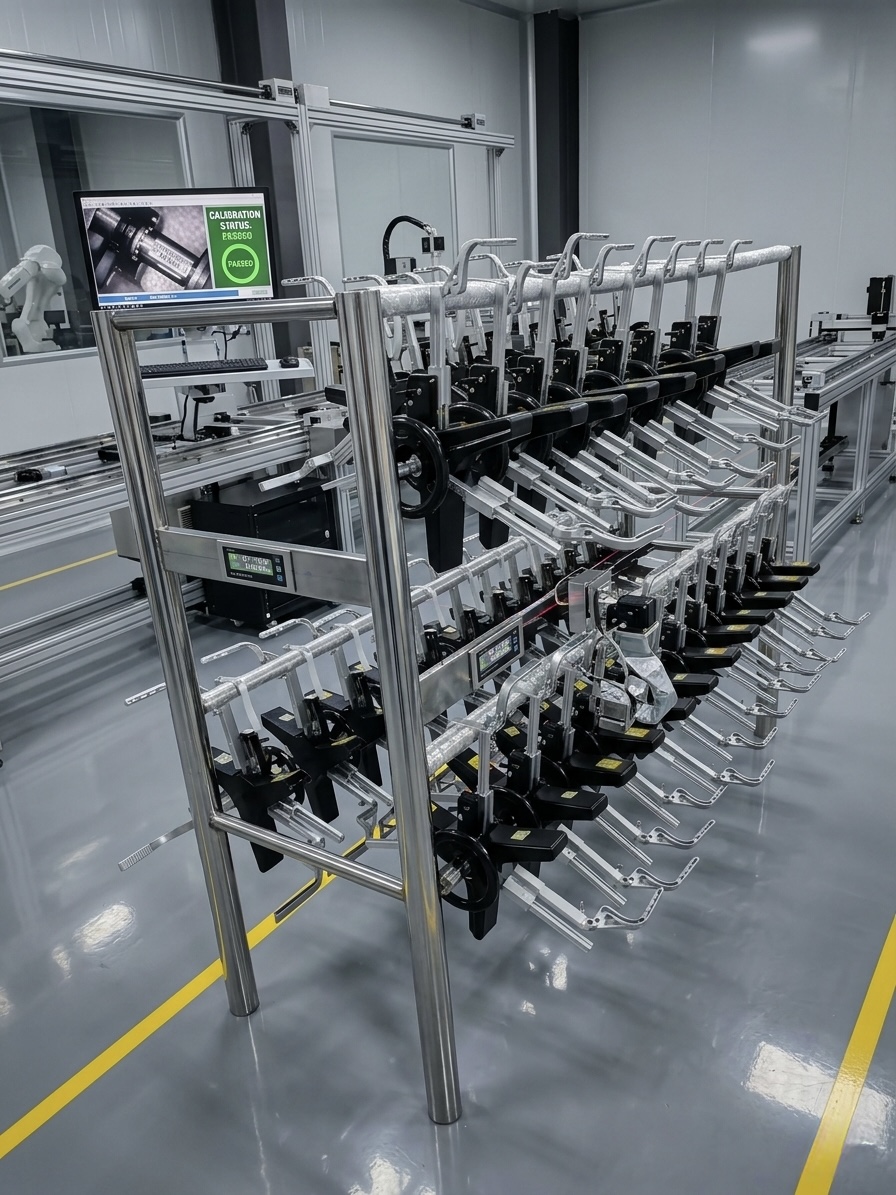
ENGINEERED TO BE BUILT
Product records define the approved hardware, software, assembly sequence, inspection points, supplied scope, and partner treatment. Production feedback returns to the same product organization.
Review manufacturingENGINEERING ENQUIRIES